Restored Order
Turn your chaotic, debris-filled yard back into a safe, usable space quickly.
Fast, safe, and efficient cleanup of storm-damaged trees, broken branches, and hazard limbs.
Assisting residents in Boreen Point and the Noosa region after severe weather.
Our Storm Damage Tree Removal Boreen Point service focuses on fully restoring the safety and appearance of your yard after a major weather event.
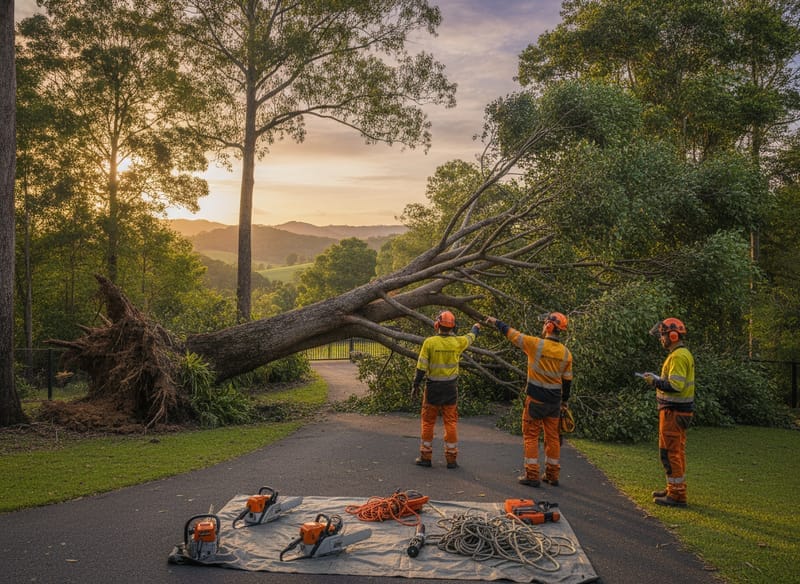
Boreen Point experiences intense micro-bursts and high winds off the lake. Trees in sandy soil often lean or partially uproot during these events, requiring careful arborist assessment.
Turn your chaotic, debris-filled yard back into a safe, usable space quickly.
Know that all lingering overhead hazards have been completely removed.
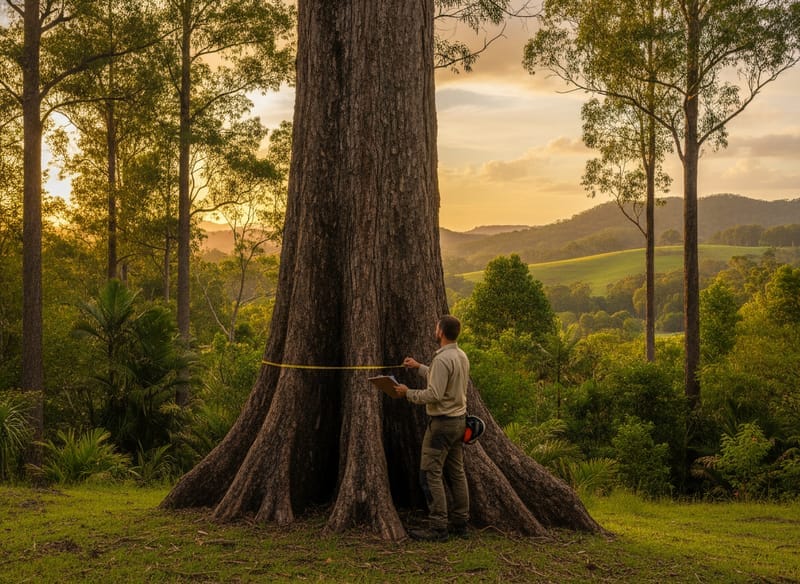
We inspect your property to identify the most critical hazards first.
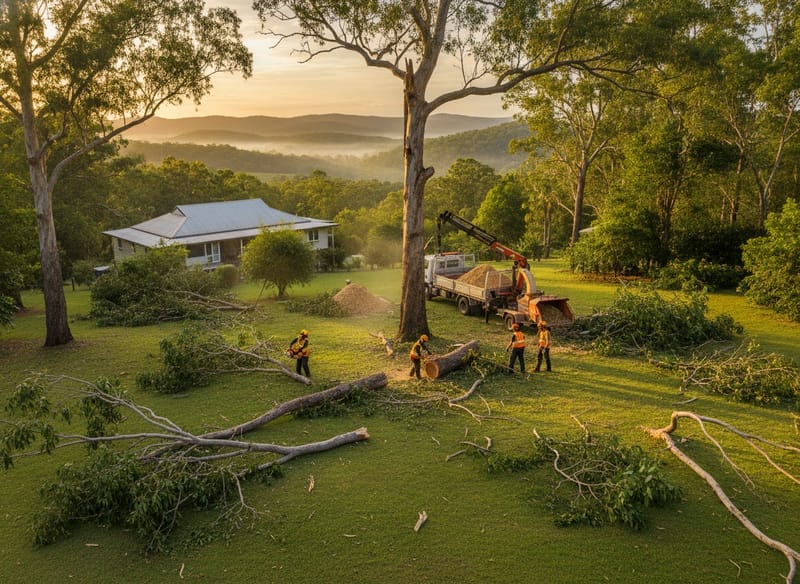
We clear fallen wood and branches from the ground.
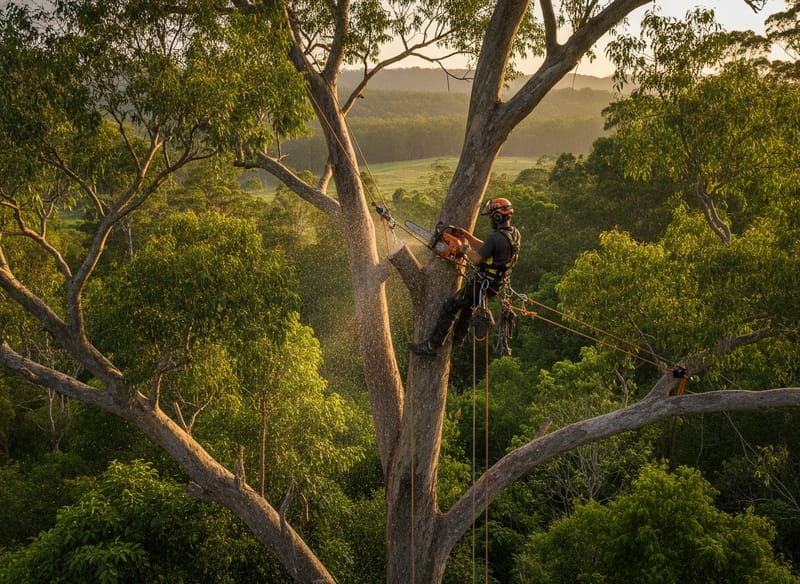
Climbers ascend to remove hung-up limbs and perform remedial cuts.
All material is chipped and the yard is raked clean.
When severe coastal weather lashes the Noosa region, establishing property safety is the priority. If you are dealing with fallen timber, compromised root plates, or snapped branches hanging over your roof, you need reliable Storm Damage Tree Removal Boreen Point. Our local team of qualified climbing arborists is equipped to respond quickly, ensuring your home, family, and assets are secure. Living by the lake and surrounded by mature native timber means Boreen Point properties are highly exposed to high-wind events and summer super-cells. When heavy rain saturates the soil and extreme gusts hit, large species like flooded gums, Moreton Bay figs, and towering hoop pines are at risk of catastrophic root-plate failure or canopy tear-out. We don’t just clear the debris; we provide a methodical, safe, and fully insured extraction of compromised trees. Whether a tree is hung up on another, leaning precariously close to your house, or completely uprooted, our team has the heavy equipment and rope-access expertise to remove the hazard entirely.
Post-storm tree clearing is one of the most dangerous tasks in arboriculture. When a massive blackbutt or hoop pine comes down in a storm, it rarely lands neatly. Instead, it gets hung up on other trees, structures, or its own structural branches, creating massive amounts of unpredictable stored kinetic energy. Attempting DIY removal with a hardware-store chainsaw often results in severe injury when tensioned limbs snap back or root plates suddenly flip upright.
Similarly, relying on unqualified 'storm chasers' who show up with a ute and a chainsaw can leave you with bigger problems. They often lack the required public liability insurance, leaving you fully exposed if a compromised tree shifts and crushes your roof during the removal attempt. Furthermore, hacking away at storm-damaged but salvageable trees using poor lopping techniques violates AS4373 pruning standards, leading to weak epicormic regrowth and guaranteed future structural failures.
Our solution relies entirely on highly trained, AQF-qualified arborists. We know how to read the tension and compression wood in a fallen tree. We use advanced rigging, heavy winches, and safe felling techniques to dismantle the hazard piece by piece. We provide fully documented, insurance-compliant reports and execute the job flawlessly, ensuring your property is safe and ready for recovery.
Every storm-damaged site in Boreen Point requires a unique approach based on the size of the tree, the severity of the failure, and site access. Here is how our arborists execute safe, technical removals under extreme conditions.
We assess the site upon arrival. We tag trees by priority: immediate hazards over houses or powerlines, secondary hazards like hung-up limbs, and clean-up tasks. We then perform make-safe cuts to stabilise the most dangerous timber.
Wind-thrown trees hold immense, unpredictable tension. Our AQF Level 3 climbing arborists use specialised rigging lines, pulleys, and friction devices to safely isolate and release tensioned branches without sudden, violent movements.
For large flooded gums or hoop pines that have fallen onto structures or present too much risk for standard climbing, we coordinate crane-assisted removals. This allows us to lift massive sections of timber up and away from your home without putting additional weight on compromised roofs.
Uprooted trees leave massive root plates exposed, which can suddenly snap back into their holes as trunk weight is removed. We secure the root plate using heavy winches or machinery before processing the main stem, ensuring the work zone remains completely safe.
Once the tree is safely dismantled, our large-capacity wood chippers process the canopy into mulch. The heavy logs are removed using our loader cranes and tipper trucks, leaving your acreage clear of storm debris.
Navigating the aftermath of a severe storm can be overwhelming. We have structured our emergency response to take the stress off your shoulders, providing efficient Storm Damage Tree Removal Boreen Point from the first phone call to the final site clean-up. - Step 1: Emergency Contact and Triage When you call our team, we will ask key questions about the damage. Is the tree on a house? Are powerlines involved? We prioritise immediate threats to life and property, dispatching our emergency crew to your address as quickly as possible. - Step 2: Site Assessment and Make-Safe Upon arrival, our senior arborist conducts a rapid risk assessment. We identify structural weaknesses, hanging widow-makers, and compromised root systems. We execute 'make-safe' procedures to stabilise the immediate hazards, taking comprehensive pre-work photographs for your insurance provider. - Step 3: Rigging and Removal Using advanced rope-access techniques, EWPs, or heavy machinery, we meticulously dismantle the damaged tree. Every cut is calculated to manage the stored energy in the timber, protecting your home and surrounding landscape from secondary impacts. - Step 4: Processing and Clean-Up Once the tree is safely on the ground, we process the canopy through our industrial wood chippers. Heavy logs are craned into our tipper trucks. We rake the site, ensuring all storm debris is completely removed. - Step 5: Arborist Reporting for Insurance If required, our AQF Level 5 consulting arborist can provide a detailed, itemised invoice and report documenting the structural failure, making your claims process smooth.
Storm damage operations are high-stakes, which is why our safety and compliance frameworks are non-negotiable. Our team operates with minimum AQF Level 3 qualifications for all climbing and felling work, while our consulting arborists hold AQF Level 5 diplomas for official insurance and council reporting. We carry a minimum of in Public Liability insurance, alongside comprehensive WorkCover for our entire team.
When assessing standing trees that have sustained partial canopy damage during a storm, we strictly adhere to AS4373 — Pruning of Amenity Trees. We never resort to harmful 'topping' or 'lopping'. If a storm-damaged tree cannot be safely pruned within the standard to remain viable, we will recommend complete removal.
Boreen Point's unique lakeside environment and sprawling acreage properties create specific challenges during storm season. The saturated soils around Lake Cootharaba during heavy summer rains drastically increase the risk of root-plate failure, especially for top-heavy species like hoop pines, flooded gums, and mature blackbutts.
Many properties here feature narrow, unsealed access roads and sloped terrain that heavy cherry-pickers simply cannot navigate. That is where our advanced rope-access climbing techniques become essential. We can safely dismantle compromised trees over roofs and sheds without relying on heavy plant equipment tearing up your wet, storm-soaked lawns.
Additionally, we are highly familiar with Noosa Shire Council’s specific regulations, including local Koala Habitat Areas and the Vegetation Management Overlay. While emergency make-safe works are generally exempt from standard application delays, we ensure all major removal work is conducted legally, advising you on any retrospective documentation required for removing significant native timber.
Once the immediate storm debris is cleared, the recovery of your remaining trees begins. High-wind events can cause micro-fractures in branches that may not fail until weeks after the storm. We highly recommend a proactive canopy inspection of your large eucalypts and native pines heading into the next wet season. For trees that sustained minor damage and were retained, keep an eye out for sudden dieback or excessive epicormic shoots (fuzzy regrowth on the trunk), which indicates severe stress. Ensure any mulch we left behind is spread evenly, keeping it away from tree trunks to prevent collar rot. If you notice a previously healthy tree developing a new lean, or see soil cracking around the base on the side opposite the lean, call our arborists for an assessment.
Post-storm cleanup is quoted based on the volume of debris and the complexity of canopy work required.
We provide detailed, itemised quotes suitable for submission to your insurance company.
We mobilise across the region following severe weather events.
Let our professional arborists clean up the mess and make your trees safe again.
Book a Cleanup Quote